

Simply explained, blockchain is data that is kept and maintained by a network of computers that is decentralized. This is trustless technology that has the potential to fundamentally alter the world as we know it by reinventing how we interact with data and transmit value.

In recent years, blockchain has become one of the most often referenced technologies. It is most recognised as the technology that powers Bitcoin, although it has several additional applications. Myths and misunderstandings are frequently followed. In this article, we will go over everything you wanted to know about blockchain in great depth.
What is Blockchain?
A blockchain is a sort of database or collection of information that is maintained in so-called blocks that are linked together using advanced cryptographic algorithms. As a result, it is nearly difficult to compromise the data recorded on the blockchain. This is because any modifications to one block immediately contaminate the data in other blocks, indicating that something has been changed. This makes the blockchain tamper-proof. Previously recorded data can be updated but not modified retrospectively. This implies that every piece of information can be traced back to a timestamp and double-checked at any moment, acting as a type of digital fingerprint.
Other characteristics distinguish blockchain from other, more traditional databases. These are sometimes referred to as the three blockchain pillars.
The Pillars of Blockchain
Blockchain has three main characteristics:
- Immutability
- Decentralization
- Transparency
These are the underpinnings of blockchain, but they are also the elements that ensure the safety of cryptocurrencies produced with blockchains. It is reasonable to assume that comprehending blockchain technology without knowing these concepts is impossible. Let’s take a look at each of them
How does blockchain work?
Understanding the blockchain pillars allows you to better comprehend how the technology operates. We've previously established that it's a decentralized, transparent, and unchangeable database. It is dispersed because all participants have access to it. So, when you wish to make a change, such as sending some BTC to a buddy, the following occurs:
- You initiate the transaction. You provide all important details, such as who receives the BTC and how much.
- You are responsible for the network charge. This is a portion of the miners' compensation for including your transaction in the next block.
- Your transaction has been included in a block. Depending on the consensus procedure, this block is generated by the person who earned the right to do so (miners, validators, etc.). The higher your network charge, the more likely you are to be included before others, resulting in a speedier transaction.
- The block is now part of the blockchain. It initially goes through the aforementioned hashing process. Once the block is added, you can’t change it anymore (which also means you can’t reverse your transaction unless the recipient
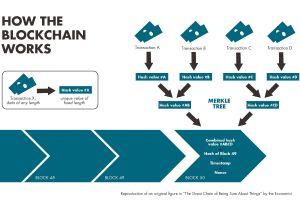
A consensus algorithm is another component that influences the process of adding a block to the blockchain. They are used to determine who gets to add the following block (and receive the rewards). There are several consensus algorithms, however, two of the most common are:
- Proof of Work (PoW): utilized by Bitcoin, it entails solving a puzzle (also known as "mining"), and the first participant or miner to solve the puzzle and notify the rest of the participants is the one who adds the block and earns the reward.
- Proof of Stake (PoS): In the next version of Ethereum, the individuals who get to make choices are known as validators and are chosen based on the number of tokens they own. To be chosen to add a block and obtain the reward, validators must bet a percentage of their coins, and if they attempt to behave maliciously, they forfeit their stake.
A network member is also known as a node. Nodes are classified into three types:
- As the blockchain grows in size, Light Clients store just a shallow copy of it, containing only the most basic information that they may require.
- Full Nodes hold a complete copy of the blockchain and so have access to all information recorded on it, regardless of size; and Miners or Validators are nodes that can get the right to validate transactions, based on the network's consensus method.
Who Invented Blockchain?
But where did blockchain originate?
The first blockchain was created in 2009 as the technology behind Bitcoin by a person or group of persons going by the name Satoshi Nakamoto. It was, however, proposed over two decades earlier by scholars Stuart Haber and W. Scott Stornetta in 1991. Other technological advancements (such as Stefan Konst's conception of cryptographically protected chains from 2000) made it feasible for blockchain to acquire its first real-world application over the next 18 years.
Blockchain is said to have diverged from Bitcoin in 2014, and the technology has since been referred to as blockchain 2.0. This means that it is now utilised for reasons other than Bitcoin, first with other cryptocurrencies and progressing to fiat currency.
How to invest in Blockchain Technology?
There are two primary methods for investing in blockchain technology:
Through Cryptocurrencies: Purchasing bitcoins entails using the blockchain. The value of a currency frequently increases when the blockchain network implements a novel idea, advancement, or other important development. In addition to being able to make money this way, having a sizable number of several cryptocurrencies also grants you voting rights in the blockchain. Similar to buying stocks, this is.
Through stocks: Speaking of stocks, you may also invest in stocks of established firms that offer blockchain solutions. These are frequently lower-risk alternatives. You may also invest in publicly traded blockchain firms.
Other options to invest in blockchain include crowdfunding (ICOs and IEOs), blockchain penny stocks, and venture capital.
How to use Blockchain?
The procedure is rather simple when it comes to using blockchain for cryptocurrency. Obtaining the recipient's address, entering it into your wallet's Send option, choosing the network charge you wish to pay, and waiting for confirmation are all that are required. Even simpler is receiving money because you don't need to do anything.
You will want access to the blockchain's block explorer in order to utilise blockchain to track information stored on it. Blockstream.info is the most popular block explorer for Bitcoin, whereas Etherscan.io is the most popular one for Ethereum. The latter serves as a central hub for all things Ethereum and is used for all coins created on the Ethereum network.
The sort of blockchain used to become a decision-making participant will determine how it is used. PoW-based blockchains require mining hardware and a willingness to pay high power expenses. In PoS networks, you must hold a significant portion of the network's native token and be prepared to stake at least a portion of it. Check the network's documentation for more detailed information, since this usually to clarify everything you need to know in detail.


0 Comments