

North Korea's crypto hacking efforts will intensify in 2023, Seoul warns.
 Source: Vchalup/Adobe
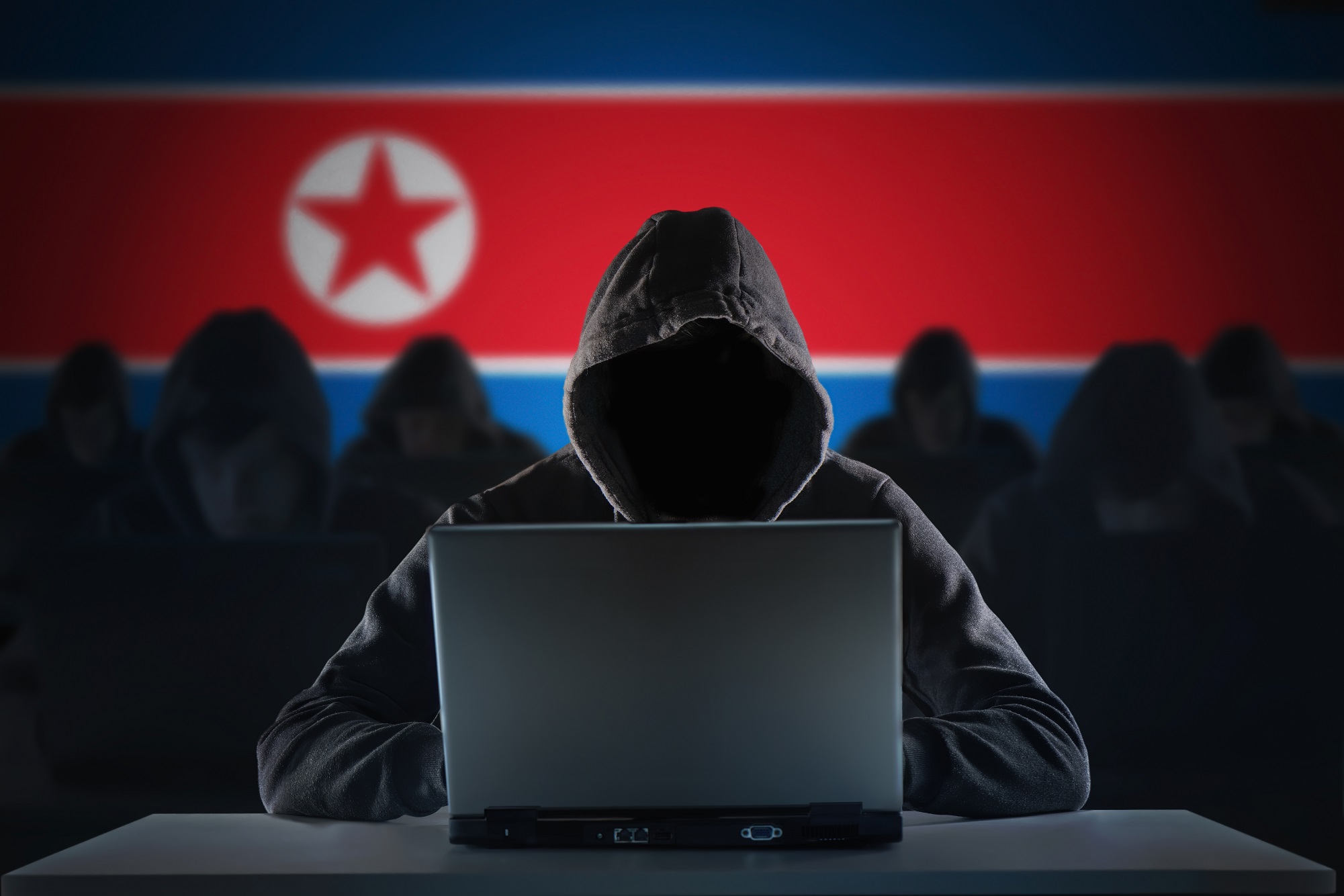
South of the DMZ, intelligence chiefs have warned that North Korea's crypto hacking campaigns will likely intensify in the coming year.
According to YTN, the South Korean National Intelligence Service (NIS) and private security providers have recently established a National Cybersecurity Cooperation Center. The center's mission will be to respond to North Korean cyber threats.
According to the NIS, the center is made up of "nine government agencies and five private IT security companies."
While the North has traditionally targeted South Korean crypto exchanges, the NIS claims that it is now shifting its focus to individuals. According to the NIS, it will also target the decentralized finance (DeFi) space.
According to the NIS, Pyongyang-based attackers will "focus on hacking DeFi services" in 2023 because these are in a regulatory "blind spot."

Since then, Seoul has regulated exchanges. It is now only issuing operating licenses to exchanges that can demonstrate advanced security protocols. Security experts previously stated that Southern exchanges operated with minimal security.
These were described as "low-hanging fruit" for experienced Pyongyang hackers. According to some experts, the North has developed a "elite" team of "cyber warriors."


0 Comments